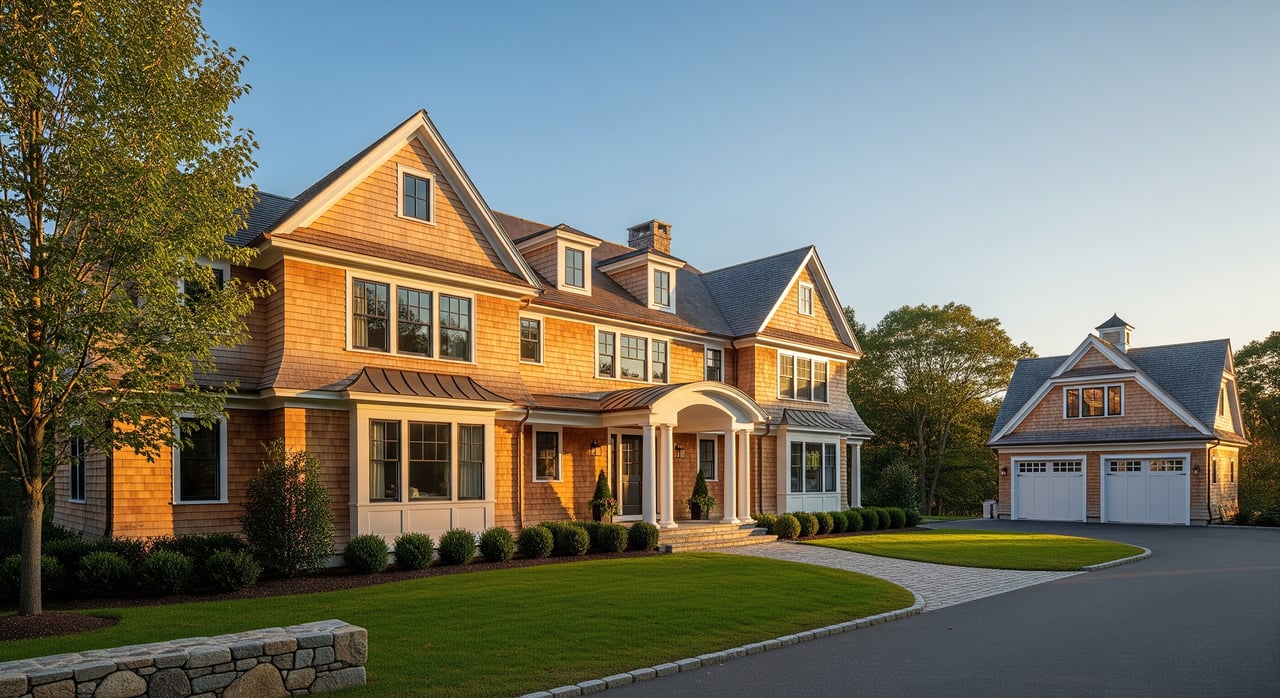
Outgrowing your starter home and eyeing more space in Salem? You’re not alone. Many buyers here want extra bedrooms, a larger yard, or a quieter street without giving up commuter access and local conveniences. In this guide, you’ll learn how to read Salem’s market signals, time your move, and structure a smart offer while planning your sale. Let’s dive in.
Salem move-up market at a glance
Moving from an entry home to a mid-range property in Salem means navigating different price bands and competition levels. Entry homes often sell faster and attract multiple offers when demand spikes. Mid-range homes offer more space and updates, but they target a narrower pool and can see different timing and negotiation dynamics. You’ll want a clear feel for inventory and days on market before you list or bid.
Entry vs. mid-range tiers
- Entry-level: Typically 2–3 bedrooms on smaller lots, often older ranches or colonials. These attract first-time buyers, so activity can surge when mortgage rates ease.
- Mid-range: Usually 3–4 bedrooms, 2 or more baths, larger yards, and more finished square footage. Renovated or newer systems tend to command a premium.
- Premium: Lakefront, custom builds, or substantially renovated properties with niche features and limited supply.
Seasonality to plan around
Spring and early summer usually bring more listings and higher showing activity. Late fall and winter can offer less competition if you are disciplined on price and timing. If your current home fits the entry tier, heightened spring demand can boost your sale, which may free up equity for your purchase.
Read the data like a pro
You should track the same metrics local agents and appraisers watch. Pull 12‑month and 90‑day figures for single-family homes in Salem from local MLS reports and county summaries.
- Median sale price and price per square foot for single-family homes
- Active and pending listings, new listings per month, and months of supply
- Median days on market and the share selling in 0–14, 15–30, and 30+ days
- Sale-to-list ratio and the share of sales over asking
- Bedroom count and age brackets that match your target tier
- Mortgage rate trends and a buyer affordability view for Rockingham County
What it means for your offer: Under about 3 months of supply signals a seller-leaning market. Rising sale-to-list ratios and a high share of quick sales mean you may need stronger terms and faster decisions. A longer median market time can signal room to negotiate or to include protective contingencies.
Local factors that move price
Commute and access
Salem sits near I‑93 with Route 28 and Route 38 providing north-south and local access to Manchester and Massachusetts employment centers. The town does not have a direct commuter-rail station, and riders often look to nearby Massachusetts lines. Neighborhoods with quicker access to I‑93 or convenient park-and-ride options tend to see stronger demand among commuters. When comparing homes, weigh the commute pattern alongside price, taxes, and condition.
Waterfront and recreation
Canobie Lake and nearby ponds create niche submarkets with limited supply. Lakefront properties often carry higher price per square foot and specific maintenance considerations. Review flood zones, shoreline rules, and septic requirements. Year-round interest helps support values, but you should budget for waterfront inspections and possible insurance needs.
Retail and development
Tuscan Village is a multi-phase mixed-use project that continues to shape local retail, dining, and services. Proximity can increase day-to-day convenience and neighborhood appeal. At the same time, large projects may bring traffic changes or infrastructure updates that affect micro-market desirability. Timelines can shift, so verify the latest status through public planning documents.
Taxes, schools, and services
Property taxes and the assessed value of a home directly affect monthly affordability. Verify Salem’s current tax rate and request an estimate for your target price band from the town assessor. School assignments and district information are important planning factors for many buyers; review official sources for performance and boundaries. Also confirm whether a property has municipal water and sewer or private well and septic, plus broadband availability if remote work matters to you.
Home types, lots, and zoning
Zoning and lot-size minimums shape where new subdivisions and infill are possible. If you want a future addition or an accessory dwelling, check setbacks, wetlands, and septic design limitations. Considering new construction? Gather local builder bids and review permitting timelines and costs before you commit.
Environmental and efficiency checks
New Hampshire has pockets with elevated radon, so include testing in your plan. Wetlands, flood zones, and shoreline buffers can affect expansion and insurance. Heating systems vary across oil, natural gas where available, propane, and electric. Insulation, windows, and air sealing all influence comfort and operating costs through the winter.
Choose your sequence: sell first or buy first
Selling first reduces risk because you’ll know your net proceeds and avoid carrying two mortgages. The tradeoff is arranging short-term housing or securing a rent-back from your buyer. Buying first lets you move once, but it increases financial exposure. A bridge loan or HELOC can help with the down payment, but you should discuss costs, timing, and qualifying with your lender early.
How to prep your numbers
- Get a net-proceeds estimate for your current home, including likely sale price, payoff, commissions, repairs, and taxes.
- Obtain a full pre-approval that reflects purchase price, property taxes, insurance, and typical utilities for your target home.
- Decide how much earnest money and down payment you can comfortably commit, including reserves for inspection findings.
Financing and offer playbook
Get fully pre-approved
Ask your lender for a pre-approval that reflects both principal and interest plus taxes, insurance, and an estimate for winter heating. If you expect to use equity from your sale, confirm whether you need a bridge loan and how rate locks and timelines would work.
Craft competitive, safe terms
- Price is not the only lever. A flexible closing date, a reasonable earnest money deposit, and clear mortgage contingencies help your offer stand out.
- Consider an escalation clause if multiple offers are common. Use appraisal gap language carefully and set a cap that aligns with your comfort and comps.
- Calibrate inspections based on condition and disclosures. Shorten timelines only after reviewing available information, and keep safety and major systems as priorities.
Watch the rate environment
Small rate changes can affect monthly payments and qualifying. If you are rate sensitive, talk with your lender about lock options and target windows to write and close amid seasonal listing waves.
Inspection priorities in Salem
- Mechanical systems: Roof age, heating type and efficiency, windows, and electrical. Request remaining useful life estimates and replacement costs.
- Basement and insulation: Look for moisture control, foundation integrity, and opportunities for insulation upgrades or heat-pump additions.
- Septic and water: Confirm septic design capacity, last service, and any expansion limits. Test private wells for quality if applicable.
- Waterfront specifics: Shoreline stability, bulkheads or retaining structures, and whether flood insurance applies.
Prep your current home to sell
Focus on high-return, quick-turn projects that showcase care and value. Fresh paint, flooring touchups, lighting swaps, and basic kitchen or bath fixes go a long way. Improve curb appeal with simple landscaping and entry updates. Price in line with recent comparable sales and current days-on-market patterns, then use strong photography, video, and staging to attract the widest buyer pool.
Why partner with a local advisor
A local, data-driven advisor helps you time the list-to-offer sequence, read micro-markets, and negotiate safe, strong terms. Expect a market-readiness plan with net proceeds, a clear financing path, and a timeline that syncs your sale and purchase. You also gain access to trusted local lenders, inspectors, contractors, and title partners who can keep your move on track. When you are ready to explore options, connect with Shannon Dipietro for neighborhood-level insight and a coordinated buy-sell strategy.
FAQs
What defines a move-up home in Salem?
- Typically 3–4 bedrooms with 2 or more baths, more square footage, and larger lots than entry homes, often with updated systems or renovations.
How competitive are mid-range Salem homes right now?
- Check current months of supply, days on market, and sale-to-list ratios from local MLS and county reports. Lower supply and faster sales mean stronger competition.
Should I sell my current home before buying in Salem?
- Selling first reduces risk and clarifies your budget, but it may require temporary housing. Buying first offers convenience but increases financial exposure.
What local factors can raise a Salem home’s value?
- Proximity to I‑93 access, renovated condition, larger lots, municipal services, and nearby amenities such as retail or waterfront access often contribute to higher demand.
What inspections are most important for Salem properties?
- Mechanical systems, basement moisture and insulation, septic or well systems, and for waterfront homes, shoreline and flood considerations. Include radon testing.
How should I price my entry home when I plan to move up?
- Use recent comparable sales and current market velocity for your segment. Aim for realistic pricing supported by strong presentation, staging, and marketing.
What if rates change while I’m shopping in Salem?
- Coordinate with your lender on rate locks and timing. Even small rate shifts can affect your budget and pre-approval, so monitor conditions closely.