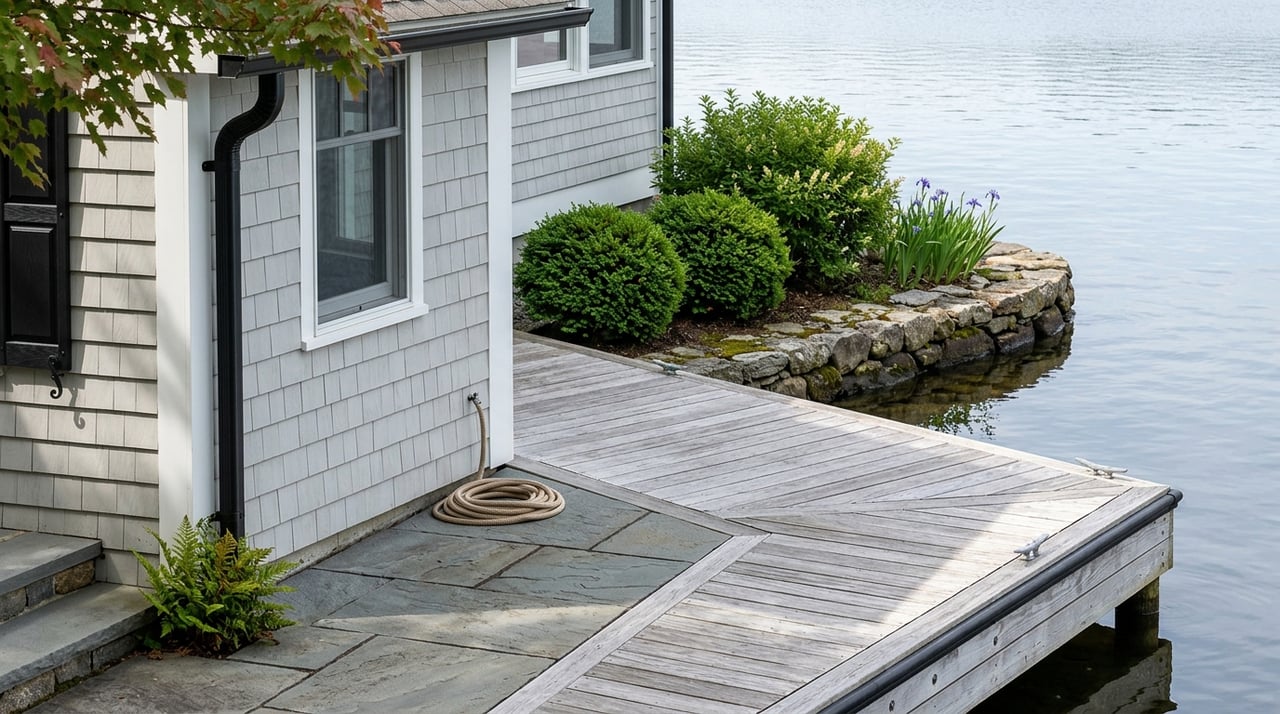
Wondering how to get your Windham waterfront home ready for the market without overdoing it or missing something important? Selling by the water can bring extra opportunity, but it also comes with details that inland homes do not. If you want to make a strong first impression, avoid surprises, and market your property with confidence, the right prep matters. Let’s dive in.
Know What "Waterfront" Means in Windham
Not all waterfront homes in Windham offer the same type of access or lake experience. According to the Town of Windham Master Plan, Cobbetts Pond, Rock Pond, and Canobie Lake each have different characteristics, and those differences can shape buyer expectations.
That means your listing should be precise about what you are offering. Buyers need to know whether the property includes deeded frontage, a dock, a beach area, a mooring, association access, or only certain resident-based access rights. Clear details help your home stand out for the right reasons and reduce confusion early in the process.
If your property is on Canobie Lake, this is especially important. The town notes that Canobie Lake is Salem’s primary water supply, and swimming is not allowed there, so marketing should focus on the uses that are actually permitted rather than implying something broader.
Clarify Access Before You List
One of the most valuable steps you can take is to define access as clearly as possible before photos are taken and the listing goes live. In Windham, access rights and use rules can materially affect how a home is shown and marketed.
Your listing packet should answer questions such as:
- Is the frontage deeded or shared?
- Is there a dock, mooring, beach, or launch area?
- Is access tied to an association?
- Are any boat or fishing access points resident-only?
- Does the waterbody allow swimming, boating, or other limited uses?
The town’s information on fishing and boat access keys reinforces why these distinctions matter. Accurate, detailed marketing builds trust and helps buyers picture how they would actually use the property.
Handle Due Diligence Early
Waterfront buyers often ask more property-specific questions than buyers of inland homes. If you gather key records and confirm property details before listing, you can create a smoother process and present your home with more confidence.
A strong pre-listing checklist may include confirming flood status, reviewing dock details, and checking whether septic and shoreline-related records are current. The FEMA Flood Map Service Center is the official public source for current flood-hazard maps, so it is a smart place to verify status before your home is marketed.
If your property is within Windham’s Water Protection Overlay District, septic compliance deserves special attention. The town states that septic systems in the district must be pumped and inspected every three years, with documentation filed through the town under its WPOD septic pump-out and inspection requirements.
Review Shoreland Rules Before Making Changes
It is tempting to freshen up a waterfront lot by clearing brush, reshaping the shoreline, or starting an exterior project right before listing. But waterfront properties often fall under rules that are more specific than what sellers expect.
The New Hampshire Department of Environmental Services says the Shoreland Water Quality Protection Act applies to land within 250 feet of the reference line for lakes and ponds greater than 10 acres. It regulates activities such as vegetation removal, excavation, fill, construction, and some chemical use, and local rules may be stricter.
The takeaway is simple: before making major shoreline or exterior changes, check the current rules. A good preparation plan improves appearance and usability without creating avoidable compliance issues.
Focus on Clean, Usable Shoreline Appeal
The best waterfront presentation is not about stripping the lot down. It is about making the property feel cared for, accessible, and easy to enjoy while respecting the shoreline.
NHDES notes that native vegetation supports shoreline protection and erosion control. So instead of over-clearing the bank, focus on practical improvements like removing debris, trimming overgrowth, and repairing visible hardscape.
Buyers pay close attention to how the path to the water feels. A shoreline that looks tidy, functional, and well maintained often creates a stronger impression than one that looks overly altered or harshly manicured.
Repair Waterfront Features First
On a waterfront property, buyers are judging more than the house. They are also evaluating how easily and safely they can enjoy the water.
Before your first photo shoot, inspect and repair the dock, ladders, railings, stairs, retaining walls, and shoreline steps. NHDES guidance on seasonal docks also notes that seasonal docks on lakes and ponds are the least-impact option and must be removed during the non-boating season, so it is wise to confirm current permit requirements if a dock has been repaired, replaced, or installed.
These details matter because they are central to buyer perception. A waterfront home with a solid, usable exterior setup feels more complete and more move-in ready.
Stage the Outdoor Living Areas
Your waterfront lifestyle is part of what you are selling. That means patios, sitting areas, beach zones, launch points, kayak storage, and the walkway to the water should all be treated as part of the staging plan.
According to the National Association of Realtors 2025 home staging snapshot, 83% of buyers’ agents said staging made it easier for buyers to visualize a property as their future home. The same research also notes staging can reduce time on market and sometimes increase the dollar value offered.
For waterfront homes, outdoor staging is especially important because buyers are imagining how they will spend time there. A few thoughtful touches that define gathering space and highlight function can help them connect emotionally with the property.
Prioritize Digital First Impressions
Most buyers will meet your home online before they ever step onto the property. That is true in every market, but it is even more important for waterfront homes, where photos and video need to explain both the house and the site.
The National Association of Realtors reports in its snapshot of today’s home buyers that all buyers used the internet in their home search, 43% started online, and buyers viewed a median of seven homes, including two they only viewed online. Your media package is not just a supplement. It is often the first showing.
If you are listing outside peak waterfront season, archived summer photos or a second media shoot can be especially helpful. Open water, shoreline landscaping, and active outdoor spaces are easier for buyers to understand when they are shown at their best.
Show the Whole Waterfront Story
A great waterfront listing should help buyers understand how the property lives from inside to outside. They want to see the view, but they also want context.
NAR buyer research found that buyers who used the internet rated photos, detailed property information, floor plans, virtual tours, and videos as highly useful. For a Windham waterfront home, that means the media should show:
- The water view from main living areas
- The route from the house to the shoreline
- The dock, mooring, or launch area
- Outdoor spaces where people would gather
- A floor plan or site sketch when possible
This kind of marketing helps remote buyers, second-home buyers, and local buyers alike understand the property more quickly. It also helps reduce mismatched expectations before showings begin.
Highlight What Makes the Property Unique
Some waterfront features simply cannot be replicated inland, and those are often the details buyers remember. Private frontage, a usable dock, long water views, a flatter lawn to the shoreline, storage for boats or gear, and outdoor gathering spaces all help tell a stronger story.
The key is to tie those features to real usability. Rather than relying on broad language, show how the home supports everyday waterfront living through clear visuals and accurate property details.
Build Confidence With Better Answers
The best Windham waterfront listings answer common buyer questions before they are asked. That includes what type of access is included, whether the dock is seasonal or permanent, whether the waterbody allows swimming or boating, whether the property is in a flood zone, and whether septic and shoreline records are current.
That kind of preparation does more than make your listing look polished. It shows buyers that the property has been thoughtfully represented, and that can create stronger trust from the start.
When you are preparing a waterfront home to sell, confidence comes from strategy, not guesswork. If you want expert guidance on positioning your home, improving presentation, and building a marketing plan that reflects how buyers shop today, connect with Shannon Dipietro.
FAQs
What should a Windham waterfront listing say about water access?
- A Windham waterfront listing should clearly explain whether the property includes deeded frontage, a dock, a beach, a mooring, association access, or other specific access rights, because these details can materially affect how the property is used.
What should sellers know about Canobie Lake waterfront homes in Windham?
- Sellers with property on Canobie Lake should avoid implying swim access because the Town of Windham states that swimming is not allowed there, and marketing should focus on the uses that are actually permitted.
What waterfront property records should Windham sellers review before listing?
- Windham sellers should consider confirming flood status, checking dock details, and making sure septic and shoreline-related records are current before listing a waterfront home.
What are the shoreline rules for waterfront homes near Windham lakes and ponds?
- The Shoreland Water Quality Protection Act applies to land within 250 feet of the reference line for lakes and ponds greater than 10 acres and regulates activities like vegetation removal, excavation, fill, construction, and some chemical use.
How should you improve curb appeal for a Windham waterfront home?
- The best approach is usually to create a clean, usable shoreline by removing debris, trimming overgrowth, repairing visible hardscape, and avoiding over-clearing that could conflict with shoreline protection guidance.
Why does professional media matter for selling a waterfront home in Windham?
- Professional photos, floor plans, virtual tours, and video help buyers understand both the house and the waterfront setting, which is especially important because many buyers begin their search online and rely heavily on visuals.