Thinking about buying in Windham and not sure whether a brand-new home or a well-loved resale fits you best? It is a common crossroads for local buyers, especially if you value strong schools, a manageable commute, and a quiet neighborhood feel. In this guide, you will learn how new construction and resale homes compare on cost, financing, timelines, inspections, taxes, and long-term value in Windham. Let’s dive in.
New vs. resale in Windham
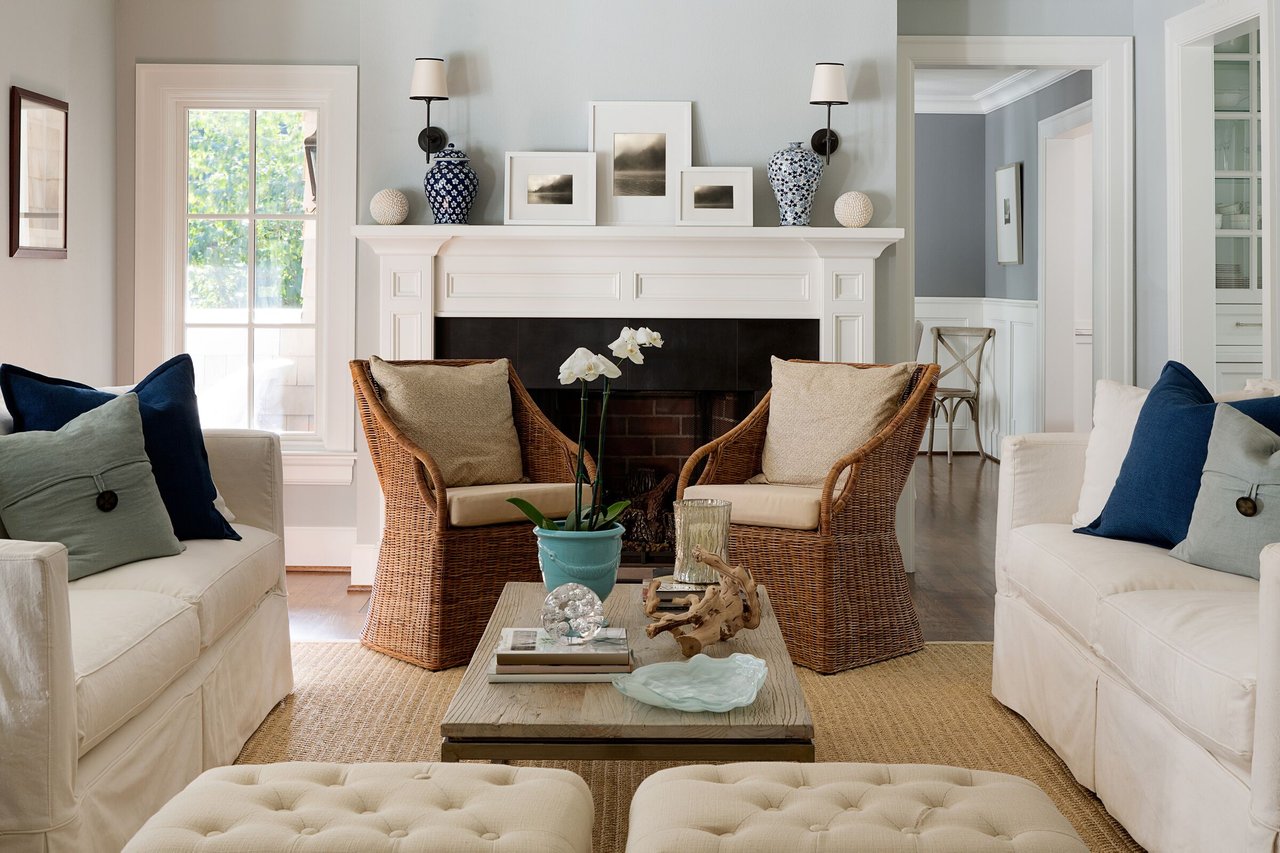
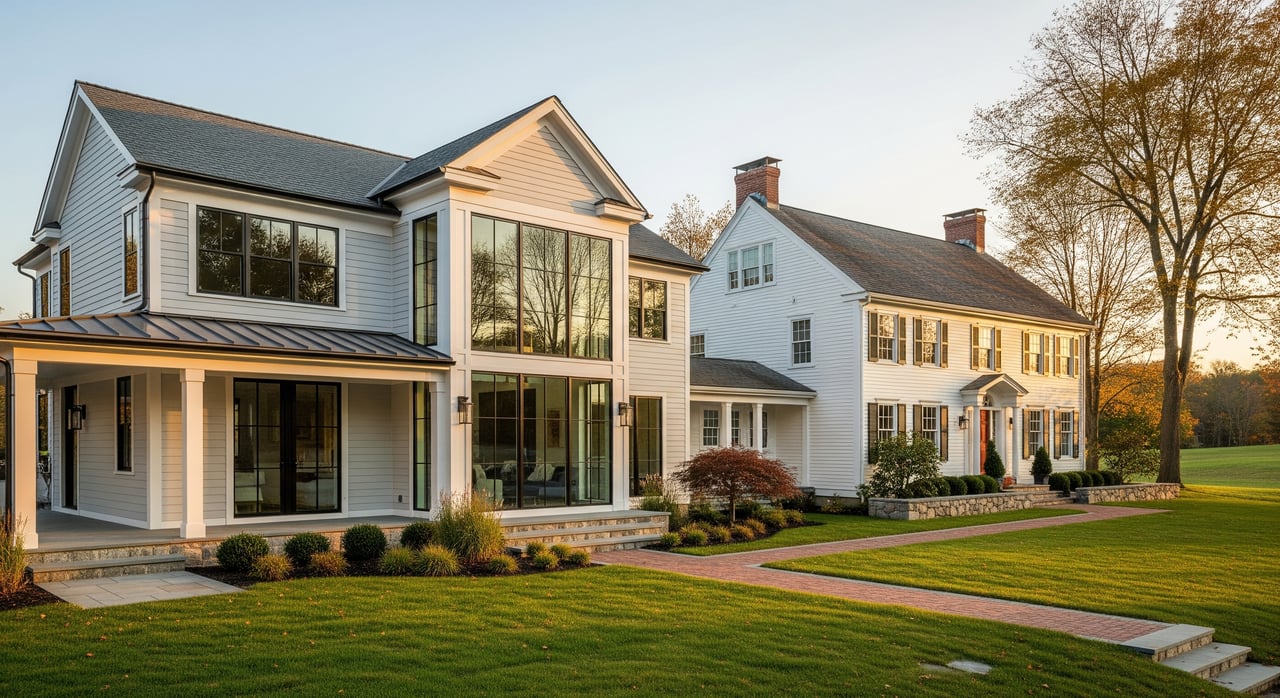
New construction in Windham usually means a home just built by a local builder, either in a subdivision or on a single lot. You will choose finishes, review allowances, and work with a build timeline. Resale homes are existing properties that have already been lived in, from recently updated houses to older homes that may need projects.
Both paths can work well here. Your choice often comes down to how much you value modern systems and warranties versus mature landscaping, an established neighborhood, and possibly more room to negotiate.
How local factors shape your choice
Windham has its own zoning, permits, septic and well standards, and assessments. These can affect your total cost and timeline. New builds may require more steps and inspections to tie in utilities and confirm septic and well approvals, while resales often have permits and utilities already in place.
Location matters too. New subdivisions can be farther from the town center, while resale neighborhoods may offer established streetscapes and tree cover. If commute routes or access to community amenities are priorities, weigh each area’s proximity and road patterns.
Cost and financing: what to expect
Budget is more than the purchase price. You need to consider closing costs, allowances, upgrades, inspections, and potential holding costs if timelines shift.
New construction financing
For custom or semi-custom builds, lenders often use construction or construction-to-perm loans. These include draws at milestones and inspections along the way. If you are buying a production home that is near completion, a standard mortgage may apply once the house is finished. Because build timelines can run months, discuss interest-rate lock timing and back-up plans with your lender.
Resale financing
Resale buyers usually use conventional fixed- or adjustable-rate loans, or government-backed options where eligible. Appraisals rely on comparable sales in the neighborhood. Terms and rate locks are more straightforward because your closing date is usually just 30 to 60 days out.
Closing costs and allowances
With new construction, confirm what the base price covers. Ask about appliances, driveway, landscaping, window treatments, and fencing. Set a realistic allowance for finishes and upgrades. For resales, your closing costs are similar, but you may negotiate credits for repairs or even some closing-cost help depending on the market and inspection findings.
Timeline and process
Your timeline may be the biggest difference between new and resale.
New build timeline
New construction typically takes months and can extend based on weather, labor, materials, and permit schedules. Utility tie-ins and septic approvals add steps. You will plan for selections at set stages, pay attention to change orders, and coordinate final inspections before closing.
Resale timeline
Resale purchases can move faster. It is common to close in about 30 to 60 days, depending on your financing and the seller’s needs. You will still complete inspections, appraisal, and underwriting, but the path is more predictable.
Inspections and disclosures
Inspections and disclosures protect you in both scenarios, but the details differ.
For new construction
You should still hire an independent inspector. Consider phase inspections, including pre-drywall and a final walkthrough. Depending on the property, add septic, well, radon, or other specialty inspections. Builders provide plans, specifications, warranty documents, and any applicable association documents.
For resale
Schedule a comprehensive home inspection and add specialty inspections as needed, such as septic or chimney. Review seller disclosures, and confirm that past work was permitted with the town’s building department. Inspection contingencies are a major part of negotiation and can influence price, credits, and repairs.
Condition, maintenance, and warranties
New construction offers modern systems, energy-code-compliant building envelopes, and lower initial maintenance. You may still need to budget for driveway sealing, landscaping, or normal settling. Builders commonly offer limited warranties, often one year for workmanship and longer for structural components, though terms vary by contract.
Resale homes can offer excellent value, but systems may be older and updates might be needed for kitchens, baths, insulation, or windows. Inspections and maintenance records help you plan for near-term projects and negotiate accordingly.
Taxes and assessments
A new build typically leads to a higher assessed value once complete. Expect first-year and ongoing property tax impacts to reflect your finished square footage and features. If you add improvements later, such as finishing a basement or adding a deck, your assessment may change.
For resales, the town has an existing assessment history, which you can review for context. Either way, it is smart to contact the assessor to understand how the property might be valued after you close.
Neighborhood fit, schools, and lifestyle
Your daily life matters as much as the house. Consider commute routes to Manchester or Boston, distance to shopping and recreation, and the feel of each neighborhood. Some buyers prefer newer roads and uniform streetscapes. Others prefer mature trees, varied architecture, and established community rhythms.
School quality is a common priority for Windham buyers. For the latest, review current information from official state and district sources. Keep in mind that boundaries, ratings, and programs can change over time, so verify details that matter to you.
Builder selection and negotiation strategies
If you lean toward new construction, the builder you choose is as important as the floor plan. If you lean toward resale, negotiation strategy and inspection leverage can improve your outcome.
Vetting builders
Request references and tour recently completed homes. Review warranty processes and how the builder handles punch lists and service. Check planning board records, building-permit history, and local feedback to understand experience and volume in Windham.
Negotiating new builds
Price can be less flexible on new homes, but you may find value in allowances, finish upgrades, or closing-cost incentives. Ask about change orders, upgrade pricing, and timelines for selections. Confirm what is included in site work and exterior finishes.
Negotiating resales
Resale negotiations often revolve around price, inspection repairs or credits, and closing date. Your leverage depends on current local supply and comparable sales. Present clean terms, and use inspection findings to focus on health, safety, and major system items.
Energy efficiency and operating costs
New homes usually offer lower near-term operating costs because they meet current energy codes and often include efficient HVAC, windows, and insulation. If energy performance data is available, ask for it during your review. Resale homes can narrow the gap with targeted upgrades such as insulation, windows, and mechanicals.
Quick checklists for buyers
If you lean new construction
- Confirm lot boundaries and feasibility for septic and well if applicable.
- Review the builder contract, warranty terms, and finish allowances.
- Ask what site work and exterior items are included (grading, driveway, landscaping, fencing).
- Budget for appliances and window coverings if not included in the base price.
- Plan for construction timelines, rate-lock strategy, and any holdback or escrow terms.
- Schedule third-party inspections at key build stages.
- Verify school boundaries and estimate property taxes with the assessor’s office.
If you lean resale
- Order a full home inspection and any needed specialty inspections.
- Review seller disclosures and confirm permits on prior work with the town.
- Study comparable sales for pricing and appraisal context.
- Request utility bills and a list of recent updates and service records.
- Review HOA rules if applicable and clarify any restrictions.
Which path fits you best?
Choose new construction if you want modern layouts, lower initial maintenance, and the ability to personalize finishes. You should be comfortable with a longer timeline and a detailed selection process. Choose resale if you value established neighborhoods, mature landscaping, and a faster closing with potential room to negotiate.
If you are still torn, run a total cost of ownership comparison for your first 5 to 10 years. Include mortgage costs, estimated taxes, expected maintenance, upgrades, and energy use. That side-by-side view makes the choice clearer.
If you are weighing new construction versus resale in Windham, you do not have to decide alone. Connect with Shannon Dipietro to schedule a free buyer or seller consultation and get a tailored plan for your budget, timeline, and neighborhood goals.
FAQs
What does “new construction” mean in Windham, NH?
- It refers to homes recently built by a local builder, either in a subdivision or on a single lot, where you select finishes and follow a construction timeline with inspections and permits.
How long does a resale purchase usually take in Windham?
- Resales often close in about 30 to 60 days, depending on financing and negotiation terms.
Do I still need a home inspection on a brand-new house?
- Yes. Independent inspections at key stages, such as pre-drywall and final walkthrough, help catch issues early and protect your investment.
What are typical builder warranty terms?
- Builders often provide limited warranties, commonly around one year for workmanship and longer for structural components, though exact terms vary by contract.
How do property taxes compare for new builds vs. resales?
- New builds are typically assessed at completion and may have higher assessed values. Resales have existing assessments, but any new improvements can change valuation over time.
What financing is common for building a home?
- Custom or semi-custom builds often use construction or construction-to-perm loans with lender draws and inspections; production homes near completion may qualify for standard mortgages at closing.
Are septic systems common for new builds in Windham?
- Many homes use private septic and well systems. For new construction, confirm approvals and consider septic and well inspections; for resales, verify past maintenance and permits.
Can I negotiate with a builder in Windham?
- Price flexibility can be limited, but you can often negotiate on allowances, finish upgrades, timeline details, or potential closing-cost incentives.